




AI Solutions for the
Healthcare Sector
Proven AI solutions that quickly translate into higher safety, better operational efficiency and lower costs.
Healthcare operations rely on safety, patient flow, and controlled access to sensitive areas.
AI supports occupancy management and reduces unauthorized access risk.
Get concise insights that help teams make day-to-day operational decisions. The result is smoother workflows and better resource utilization.
-
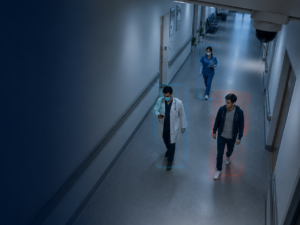
Face Mask Detection
Video analytics that detects whether people in monitored areas are wearing protective face masks correctly. It can support safety and hygiene policies in public venues and workplaces.
-
Intrusion
Video analytics that detects unauthorised entry of people or vehicles into restricted zones based on CCTV images. It supports security operations in industrial, logistics and commercial sites while reducing false alarms.
-
Firearm & Weapon Detection
AI-powered video analytics that detects visible firearms and selected types of cold weapons in CCTV footage. It supports security teams in rapidly responding to potential threats in public, educational and commercial facilities.
-
Automatic Number Plate Recognition (ANPR)
License plate recognition analytics that automatically reads and processes vehicle plates in real time. It supports parking operations, gate automation, logistics and security use cases.
-
Vehicle Detection & Classification
AI-powered video analytics that detects and classifies vehicles (e.g. passenger cars, trucks, delivery vans) in real time. It supports traffic monitoring, gate operations and logistics processes.
-
Thermal Person Detection
Video analytics using thermal cameras and AI-based algorithms to detect and track people based on their heat signature. It is ideal for perimeter protection and critical infrastructure in low-light and harsh weather conditions.


Use case
-
AI-Assisted Eye Imaging Diagnostics
How to support clinicians with AI-based analysis of eye images (e.g., fundus photos)—reduce review time, triage cases faster, and improve consistency of diagnostic assessments.